From Childhood Passion to Cultural Leadership: The Remarkable Journey of Vikram Kumar B R
The journey of an accomplished cultural personality often begins with a simple connection to an art form. For Vikram Kumar B R, also known as Bathina Vikram Goud, that connection began in childhood and gradually developed into a lifelong commitment to Indian classical dance, theatre, cultural education and heritage preservation.
Over the years, Vikram Kumar has moved through several roles within the cultural sector—performer, choreographer, researcher, theatre artist, director, festival organiser, editor and institution builder. His career reflects an approach in which artistic performance is closely connected with education, documentation and the creation of opportunities for other artistes.
Early Encouragement Shaped His Artistic Direction
Vikram Kumar’s artistic interests were nurtured from an early age, with his father providing continuous encouragement. This early support became an important foundation for his later involvement in Indian classical arts.
Instead of treating artistic ability simply as a personal talent, he pursued formal education in Kuchipudi. He completed a Master of Arts in Kuchipudi with distinction from Andhra University, combining practical artistic training with academic study.
His university years became an important period of development. He was involved in efforts connected with the establishment of the Department of Dance at Andhra University, an experience that introduced him to the institutional side of arts education.
His academic interests also took him into historical and comparative research. During his postgraduate studies, he examined Siva Thandavam and Saptha Thandavam in the Kuchipudi tradition, while also undertaking comparative work related to the literary contributions of noted poet Puttaparthi Narayanacharyulu. His dissertation received 100 percent approval from Andhra University, according to the biographical profile provided for his work.
Expanding Beyond the Conventional Role of an Artiste
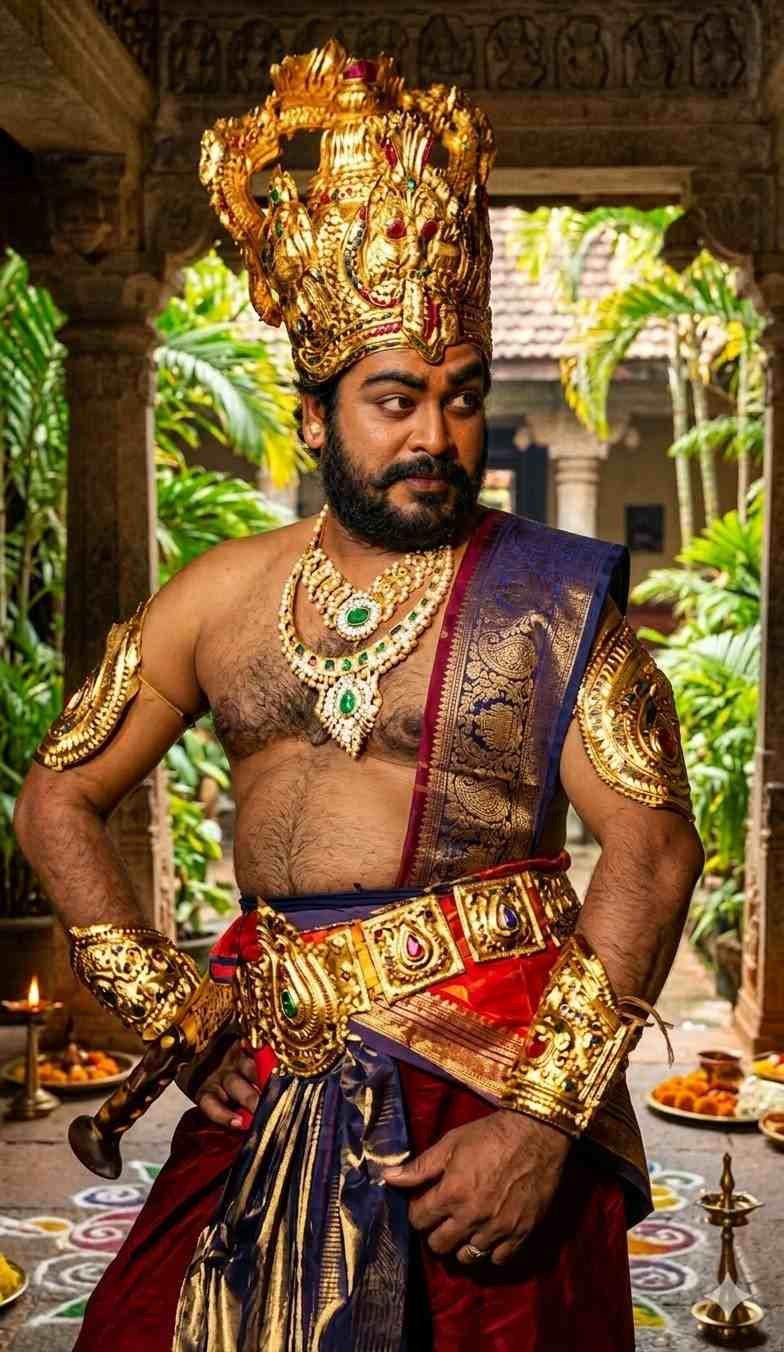
As his experience developed, Vikram Kumar did not restrict himself to solo dance performances. He began working with larger productions, choreography and thematic presentations that connected classical techniques with stories, history and social subjects.
Among the productions associated with his career is Chenchu Lakshmi Narasimha Kalyanam, an experimental thematic ballet based on the traditions surrounding Lord Narasimha of Simhachalam. The production brought together Kuchipudi and traditional folk elements and has reportedly been presented at more than 150 venues across India.
He also developed Swachh Ganga – Swachh Bharat, inspired by Bhagiratha Vilasam. The production used classical dance as a storytelling medium while addressing the contemporary importance of clean water and environmental responsibility.
His creative portfolio further includes Maha Visakha Vaibhavam, Sri Krishna Leelalu, Society for Future and Youth Never Sleeps. These productions illustrate the range of subjects he has explored, from mythology and cultural history to social issues and youth-related themes.
A Parallel Career in Theatre
Dance was not the only performing art that shaped Vikram Kumar’s career. He pursued formal qualifications in theatre, earning Diplomas in Acting and Direction from Andhra University.
For approximately ten years, he was associated with the university’s Department of Theatre Arts. During this period, he participated in mythological, social and philosophical productions, gaining experience in both acting and direction.
His work received exposure during important university events, including visits by senior dignitaries. His profile specifically highlights the occasion of former President of India Dr. A.P.J. Abdul Kalam’s visit, as well as interactions with UGC and NAAC inspection committees.
This combination of dance and theatre later became relevant to his approach to large-scale productions, particularly narrative ballets that depend on choreography, storytelling, dramatic presentation and coordinated stage direction.
Turning Artistic Experience into Institution Building
One of the most important developments in Vikram Kumar’s career came in 2000, when he founded the Nataraj Music and Dance Academy (NMDA).
The organisation was established with the broader objective of serving society through culture. NMDA describes itself as an institution working in the areas of Kuchipudi, Indian folk traditions, Indian classical music and instrumental music. It identifies Vikram Kumar/Bathina Vikram Goud as its Founder and President.
The academy’s stated objectives include nurturing artistes, encouraging younger generations to take an interest in classical and folk traditions, conducting workshops and seminars, and organising national-level cultural programmes.
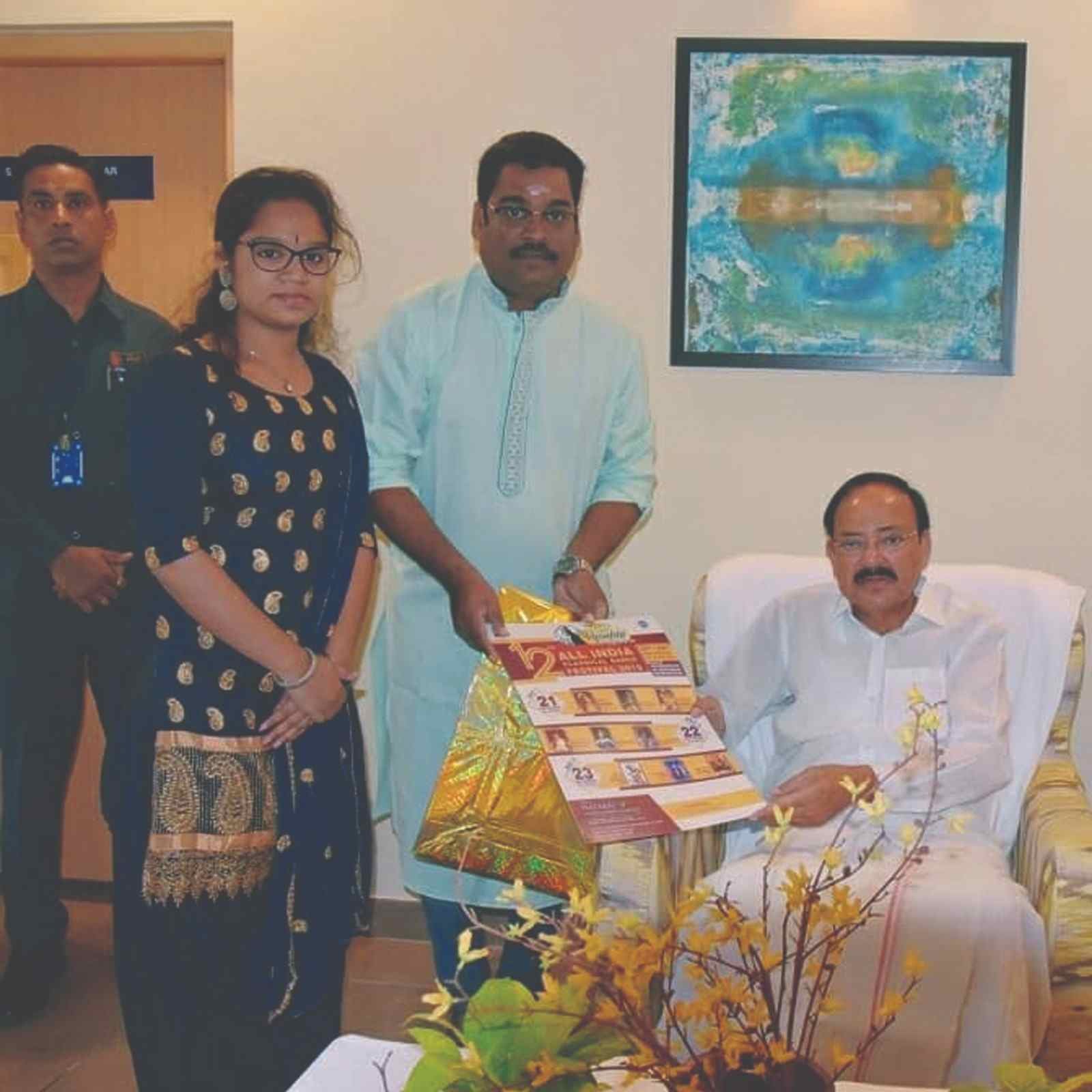
NMDA also became associated with major dance festivals. Its Vysakhi Nrithyotsav developed as an All India classical dance festival, bringing different Indian classical traditions onto a common platform. Historical festival material records performances representing forms such as Kuchipudi, Bharatanatyam, Chhau, Kathak, Kathakali, Odissi, Manipuri, Sattriya and Mohiniyattam.
The festival has continued to develop over the years. The 2018 edition, for example, was described as the 11th All India Dance Festival and featured established artistes including Padma Bhushan awardee Dr. Saroja Vaidyanathan, Bismillah Khan awardee Dr. Chinta Ravi Bala Krishna, Chhau exponent Dr. Shashadhar Acharya and Odissi exponent Dona Ganguly.
A Broader Vision for Cultural Leadership
Vikram Kumar’s journey demonstrates a gradual transition from personal artistic development to wider cultural leadership. His work encompasses performance, academic research, theatre, institutional education and the creation of platforms for other artistes.
His efforts through NMDA also reflect an understanding that classical traditions need organised systems if they are to remain relevant to younger generations. The academy states that it aims to protect classical forms from decline while encouraging interest in the arts among young people through educational programmes and cultural activities.
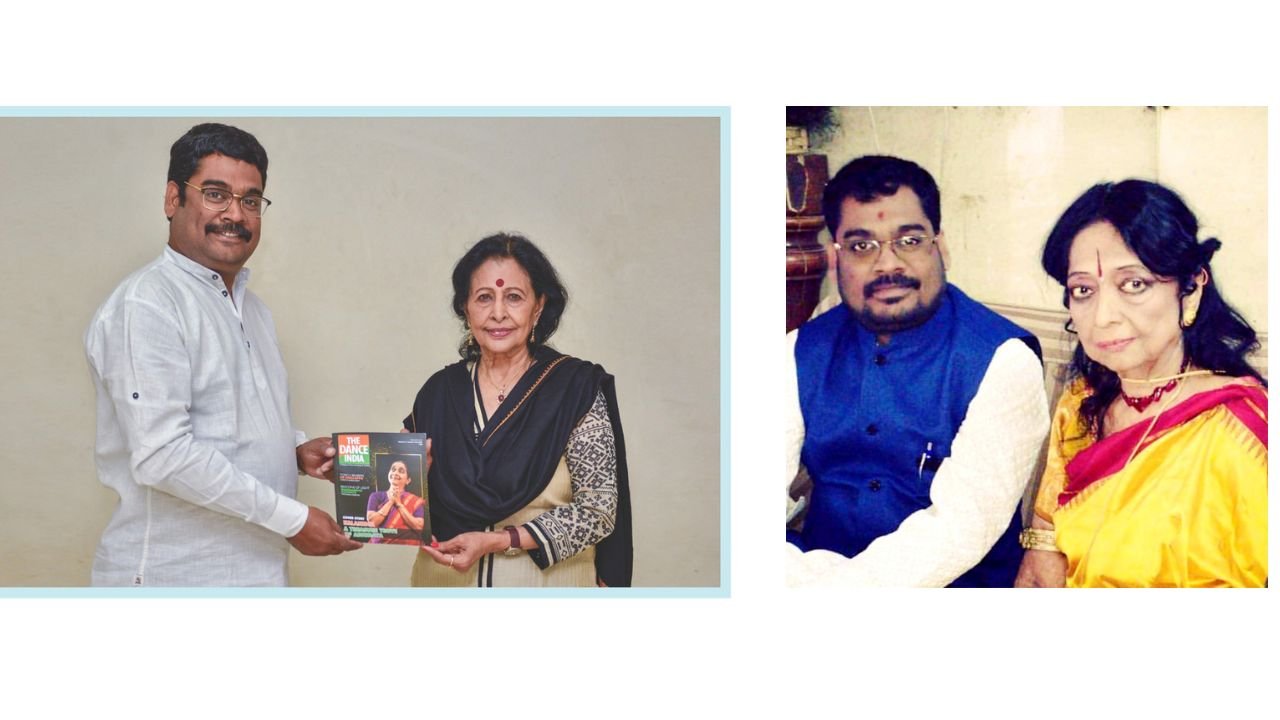
This approach has also extended into publishing and cultural documentation through The Dance India, where Vikram Kumar has been associated with documenting dancers, teachers, traditions and developments within Indian performing arts.
His career therefore represents more than the story of an individual Kuchipudi artiste. It is the story of a cultural worker who gradually expanded his responsibilities—from learning an art form in childhood to creating institutions, festivals and platforms through which others could learn and perform.
For Vikram Kumar B R, the preservation of Indian classical arts appears to be a long-term process rather than a single project. His journey combines the roles of artist, educator, organiser, researcher and cultural institution builder, with the broader objective of ensuring that India’s traditional performing arts continue to have a meaningful place in contemporary cultural life.